

Introduction
Selecting the correct cable for an electrical or communication installation is a critical decision that directly impacts performance, reliability, safety, and long-term maintenance costs. Whether you are designing a commercial building, upgrading industrial equipment, or deploying telecommunications infrastructure, understanding cable construction is essential.
Among the many options available today, the non armored cable remains one of the most widely used solutions for projects that do not require heavy mechanical protection. Its flexibility, cost-effectiveness, ease of installation, and excellent electrical performance make it a preferred choice across numerous industries.
However, choosing the right cable involves much more than selecting a conductor size. Environmental conditions, voltage requirements, installation methods, insulation materials, and future scalability all play important roles. This guide explores everything project managers, engineers, contractors, and procurement specialists need to know before selecting a non-armored cable for their applications.
Understanding What a Non Armored Cable Is
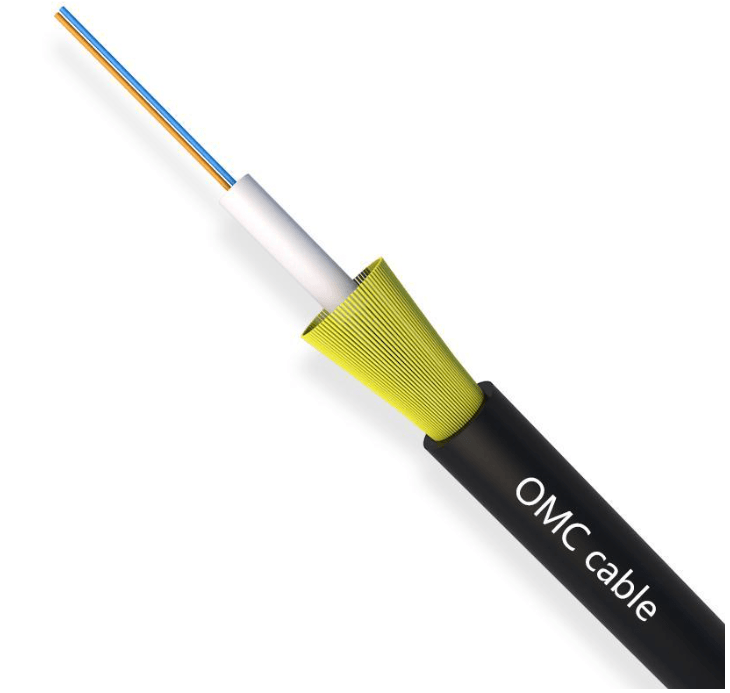
A non-armored cable is an electrical or communication cable that does not include a protective metallic armor layer. Unlike armored alternatives that utilize steel wire armor, aluminum armor, or corrugated metal shielding, these cables rely primarily on their insulation and outer sheath for protection.
Because they are lighter and more flexible, non-armored cables are commonly used in:
- Commercial buildings
- Data centers
- Telecommunications networks
- Residential installations
- Manufacturing facilities
- Control systems
- Indoor distribution applications
Their streamlined construction allows easier routing through conduits, cable trays, ceilings, and confined spaces where flexibility is essential.
Key Factors to Consider Before Selection
1. Evaluate the Installation Environment
The first step is understanding where the cable will be installed.
Environmental conditions significantly influence cable performance and lifespan. Consider factors such as:
- Temperature fluctuations
- Moisture exposure
- Chemical contact
- UV radiation
- Mechanical stress
- Indoor or outdoor placement
A cable installed inside a climate-controlled office requires different specifications than one operating in a humid industrial facility.
For protected indoor environments, a well-designed non armored cable often provides the ideal balance between performance and cost efficiency while maintaining compliance with industry standards.
2. Determine Electrical Requirements
Electrical load calculations should always guide cable selection.
Important considerations include:
- Operating voltage
- Current carrying capacity
- Short-circuit ratings
- Power losses
- Voltage drop limitations
- System efficiency targets
Choosing a cable with insufficient capacity may result in overheating, energy loss, equipment failure, and increased maintenance expenses.
Proper engineering calculations ensure the selected cable can safely support present and future operational demands.
3. Select the Appropriate Conductor Material
Conductors are generally manufactured from copper or aluminum.
Copper Conductors
Benefits include:
- Higher conductivity
- Better flexibility
- Improved durability
- Lower voltage drop
Aluminum Conductors
Advantages include:
- Reduced weight
- Lower material costs
- Easier transportation
- Suitable for large-scale installations
The choice depends on budget, performance expectations, and installation requirements.
4. Choose the Right Insulation Material
Insulation serves as the primary protective barrier surrounding the conductor.
Popular insulation options include:
PVC (Polyvinyl Chloride)
- Cost-effective
- Good electrical properties
- Widely used indoors
XLPE (Cross-Linked Polyethylene)
- Excellent thermal resistance
- Superior dielectric performance
- Enhanced lifespan
LSZH (Low Smoke Zero Halogen)
- Reduced toxic emissions
- Improved fire safety
- Common in public buildings
The insulation material should align with both operational conditions and regulatory requirements.
Understanding Flexibility Requirements
Cable flexibility often becomes a major consideration during installation.
Projects involving:
- Complex routing
- Equipment movement
- Limited installation space
- Frequent maintenance access
typically benefit from more flexible cable designs.
A high-quality non armored cable provides easier handling during installation, reducing labor time and minimizing the risk of conductor damage during pulling operations.
Greater flexibility can also simplify future system modifications and expansions.
Fire Safety Considerations
Modern construction projects place increasing emphasis on fire protection.
When selecting cables, evaluate:
- Flame retardancy
- Smoke generation
- Toxic gas emissions
- Fire survival characteristics
Buildings such as hospitals, airports, schools, and data centers often require advanced fire-resistant cable solutions.
Using cables that comply with relevant fire safety standards helps protect both occupants and critical infrastructure during emergency situations.
Assess Mechanical Protection Needs
Not every environment requires armored construction.
Ask the following questions:
- Will the cable be exposed to physical impact?
- Is there a risk of crushing or abrasion?
- Are rodents a concern?
- Will heavy machinery operate nearby?
If mechanical hazards are minimal and cables are routed through conduits, trays, or protected pathways, a non armored cable can deliver excellent performance without the added cost and weight of armor.
This makes it a highly economical choice for many commercial and industrial projects.
Industry Applications of Non Armored Cables
Commercial Buildings
Office towers, shopping centers, hotels, and educational facilities frequently utilize non-armored cables for:
- Lighting circuits
- Power distribution
- Control systems
- Data networks
Their flexibility supports efficient installation throughout complex building layouts.
Telecommunications Infrastructure
Modern communication systems depend heavily on reliable cable solutions.
Telecommunications providers often choose non armored cable products for indoor network deployments because they support efficient signal transmission while simplifying cable management in racks, cabinets, and equipment rooms.
Industrial Automation
Manufacturing facilities rely on control and instrumentation cables for:
- Process monitoring
- Equipment communication
- Automation systems
- Sensor integration
The lightweight design of non-armored cables simplifies routing through machinery and control panels.
Data Centers
Data centers require extensive cabling infrastructure to support servers, switches, storage systems, and networking equipment.
Flexible cable solutions help optimize airflow, improve cable organization, and simplify maintenance operations.
Compliance and Standards
Always verify compliance with applicable standards and regulations.
Depending on your region and application, relevant standards may include requirements related to:
- Electrical safety
- Fire performance
- Environmental protection
- Telecommunications performance
- Industrial reliability
Selecting certified products ensures consistency, quality assurance, and long-term operational confidence.
Cost Versus Long-Term Value
Many procurement decisions focus heavily on initial purchase price.
However, true project value should consider:
- Installation costs
- Maintenance expenses
- Operational efficiency
- Service life
- Downtime risks
- Future scalability
A lower-priced cable may not always provide the best long-term return on investment.
Choosing a premium-quality non armored cable from a reputable manufacturer often results in better reliability, reduced maintenance requirements, and improved lifecycle performance.
Common Mistakes to Avoid
Ignoring Environmental Conditions
Environmental exposure can dramatically reduce cable lifespan if not properly considered.
Undersizing Conductors
Selecting an inadequate conductor size can lead to overheating and system inefficiency.
Overlooking Fire Ratings
Failure to meet fire safety requirements can create serious compliance and safety issues.
Choosing Based Solely on Price
The cheapest option frequently leads to higher maintenance and replacement costs over time.
Neglecting Future Expansion
Planning for future capacity can prevent costly upgrades later.
See also: Modern Living Reimagined Through Creative Residential Transformations
Expert Tips for Selecting the Best Non Armored Cable
Professionals often follow these best practices:
- Conduct a complete site assessment.
- Review electrical load calculations carefully.
- Evaluate installation conditions thoroughly.
- Consider future system growth.
- Verify compliance certifications.
- Prioritize reputable manufacturers.
- Match insulation materials to environmental demands.
- Consult engineering specifications before procurement.
Following these guidelines significantly improves project reliability and performance.
The Future of Non Armored Cable Technology
Cable technology continues to evolve alongside advancements in construction, telecommunications, and industrial automation.
Emerging developments include:
- Enhanced fire-resistant materials
- Improved low-smoke formulations
- Higher data transmission capabilities
- Environmentally sustainable manufacturing
- Increased temperature resistance
- Smart monitoring integration
As infrastructure requirements become more sophisticated, modern non-armored cable solutions will continue to play a vital role in delivering efficient and reliable connectivity.
Conclusion
Choosing the right non armored cable requires a comprehensive evaluation of environmental conditions, electrical requirements, mechanical protection needs, fire safety considerations, and long-term project objectives.
When properly selected, these cables provide exceptional flexibility, cost efficiency, reliability, and installation convenience across commercial, industrial, telecommunications, and residential applications.
Rather than focusing solely on initial costs, project planners should prioritize quality, compliance, durability, and future scalability. A carefully chosen cable solution contributes significantly to overall system performance and helps ensure reliable operation for years to come.
Frequently Asked Questions
What is the main advantage of a non armored cable?
The primary advantage is its flexibility and lighter construction, which simplifies installation while reducing material and labor costs.
Where are non armored cables commonly used?
They are commonly used in commercial buildings, residential projects, telecommunications networks, industrial automation systems, and data centers.
Can non armored cables be installed outdoors?
Yes, provided they are designed for outdoor environments and protected from excessive mechanical damage.
Are non armored cables safe for industrial applications?
Yes. When properly specified and installed, they perform effectively in many industrial environments, particularly within protected cable management systems.
How do I know which conductor size to choose?
Conductor size should be determined through electrical load calculations, voltage requirements, installation conditions, and applicable engineering standards.
Is a non armored cable more affordable than an armored cable?
In most cases, yes. The absence of metallic armor reduces material costs, weight, and installation complexity, making it a cost-effective solution for protected installations.