
Choosing between the different types of spray bottle capping machines comes down to one core question: how does your specific closure need to be handled to seal correctly without damage or misalignment? This guide breaks down the main categories of spray bottle capping equipment, explains what separates them mechanically, and helps you match a machine type to your closure style and production volume, so you avoid investing in equipment that doesn’t fit your actual product line.
Why Closure Type Drives Machine Selection
Spray bottle closures aren’t a single category; trigger sprayers, fine-mist atomizers, foamer pumps, and lotion pumps all have different mechanical designs, different sensitivity to torque, and different orientation requirements. A machine well suited to one closure type may perform poorly or damage a different one, which is why matching equipment to your specific closure design matters more here than in most other capping applications.
See also: Building a Life Rooted in the Land
Machine Types by Capping Mechanism
Chuck Capping Machines
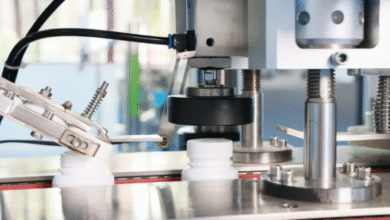
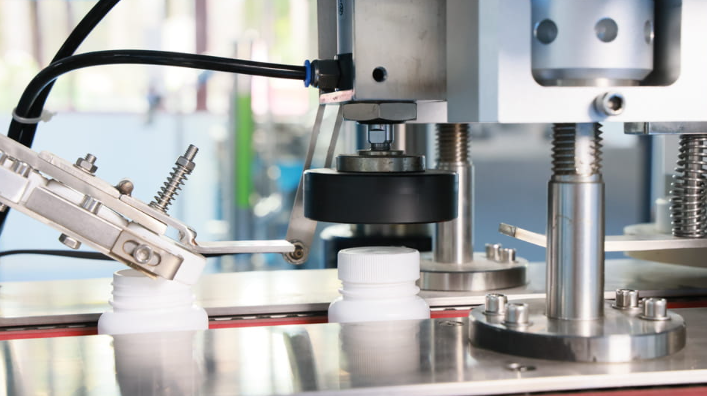
Grip each cap individually using a rotating chuck head, applying controlled torque before releasing. This precision makes chuck cappers well suited to trigger sprayers and pump mechanisms, where excessive torque can damage internal components or strip threads.
Spindle Capping Machines
Use continuously rotating belts or discs positioned on either side of the bottle to spin the cap into place as it moves along the line. These are typically faster than chuck systems but offer less individualized torque control, making them better suited to simpler, more torque-tolerant spray caps.
Snap/Press Capping Machines
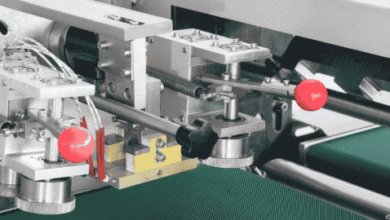
Apply vertical pressure to snap a press-fit closure into place, relevant for foamer pumps or flip-top spray caps that use a friction or snap-fit design rather than threading.
Orientation-Controlled Capping Systems
Combine a cap feeding and alignment mechanism with a capping head (typically chuck-style) to ensure the sprayer nozzle or trigger consistently faces a specified direction, which is often required for retail products where shelf presentation matters and where closure requirements may intersect with guidance from the Consumer Product Safety Commission (CPSC).
Machine Types by Automation Level
- Semi-automatic capping machines: an operator manually places the cap, and the machine applies torque or pressure, suited to lower-volume production or operations needing manual quality control at each unit.
- Fully automatic capping machines: integrate cap feeding, orientation (if needed), placement, and torque application into a continuous automated process, suited to higher-volume production runs.
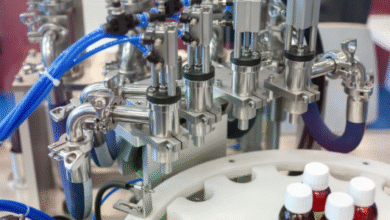
- Inline vs. rotary automatic systems: inline systems move bottles in a straight line through a single or limited number of capping heads, while rotary systems use a turntable with multiple capping heads working simultaneously for higher throughput.
Comparing Machine Types
| Machine Type | Best For | Torque Precision | Typical Speed |
| Chuck capper | Trigger sprayers, pumps | High | Moderate |
| Spindle capper | Simple screw-on spray caps | Moderate | Fast |
| Snap/press capper | Foamer/flip-top press-fit caps | N/A (pressure-based) | Fast |
| Orientation-controlled system | Retail trigger sprayer bottles | High | Moderate |
| Semi-automatic (any type) | Low-volume/manual QC | Depends on head type | Slower |
| Fully automatic rotary | High-volume production | Depends on head type | Very Fast |
How to Choose Based on Your Closure and Volume
If You’re Packaging Trigger Sprayers or Pumps
A chuck capping machine, ideally with orientation control if nozzle direction matters for your retail presentation, is generally the most reliable choice given the precision torque control these mechanisms typically require.
If You’re Using Simple Screw-On Spray Caps
A spindle capping machine offers a faster, more cost-effective solution when the closure doesn’t have sensitive internal mechanisms or strict orientation requirements.
If You’re Using Foamer or Flip-Top Closures
A snap/press capping machine matches the press-fit mechanism these closures typically use, rather than a rotational system designed for threaded caps.
If You’re a Lower-Volume or Growing Operation
Semi-automatic systems allow quality control flexibility and lower upfront investment, with the option to transition to fully automatic equipment as volume grows and justifies the additional capital cost, consistent with the general equipment selection guidance published by PMMI.
Decision Framework
Threaded, Sensitive Mechanism Threaded, Simple CapPress-FitYesNoIdentify Closure TypeThreaded or Press-Fit?Chuck CapperSpindle CapperSnap/Press CapperOrientation Matters for Retail?Add Orientation ControlModuleStandard Capping Head
Machinery built to safety standards maintained by ISO and validated against FDA Good Manufacturing Practice guidance generally provides a reliable baseline regardless of which mechanism you ultimately select.
Common Mistakes When Choosing a Machine Type
Defaulting to Spindle Cappers for Speed Alone
Spindle systems are faster, but applying them to trigger sprayers or pumps sensitive to torque variation often causes more damage and rework than the speed gain is worth. Match mechanism to closure sensitivity first, then optimize for speed within that constraint.
Skipping Orientation Control to Save Cost Early
Retail brands that skip orientation control to reduce initial investment sometimes find themselves needing costly retrofits once shelf presentation becomes a customer or retailer expectation. If nozzle direction will matter eventually, it’s often more cost-effective to include it from the start.
Assuming All Foamer Pumps Use the Same Mechanism
Not all foamer or flip-top closures use an identical press-fit design. Confirming your specific closure’s mechanical requirements with a sample test avoids assuming compatibility that doesn’t actually exist.
Matching Machine Type to Your Growth Stage
Brands just launching a spray bottle product line often start with a semi-automatic chuck capper, since it offers precise torque control at a manageable capital cost while production volume is still building. As demand increases and manual cap placement becomes the limiting factor, transitioning to a fully automatic system in-line for moderate volume or rotary for high-volume continuous runs generally delivers the throughput needed to keep pace, with orientation control layered in specifically when retail shelf presentation requires consistent nozzle direction rather than as a universal default across every product line.
Bringing It Together
The right type of spray bottle capping machine depends on matching your closure’s mechanical sensitivity to the appropriate capping mechanism, then layering in orientation control and automation level based on your retail presentation needs and production volume. Testing with your actual bottle and cap combination before committing to a purchase remains the clearest way to confirm the equipment will perform reliably once it’s running at full production speed.