What Causes Repeated Water Intrusion Around Skylights and How It Gets Fixed

A skylight can brighten a room, make a ceiling feel taller, and bring in the kind of natural light that changes a home’s mood. But when water keeps showing up around it, that same feature quickly becomes a source of stress. Repeated moisture marks, peeling paint, and damp drywall usually point to a problem that has not been fully corrected. In many cases, homeowners end up calling roofing services ogden after a leak has already come back more than once.
That pattern matters. A skylight leak that recurs is rarely due to a single crack or a single bead of failed sealant. It usually means water is getting in through a weak point in the system around the skylight, then traveling before it becomes visible indoors. The real fix depends on determining whether the trouble stems from flashing, roofing materials, underlayment, condensation, or the skylight unit itself.
Why Skylight Leaks Keep Coming Back
One of the biggest reasons repeated water intrusion happens is that the first repair only addressed the symptom. It is common for someone to seal a visible gap and assume the issue is solved. That may slow the leak for a while, but it does not correct the conditions that allowed water in to begin with.
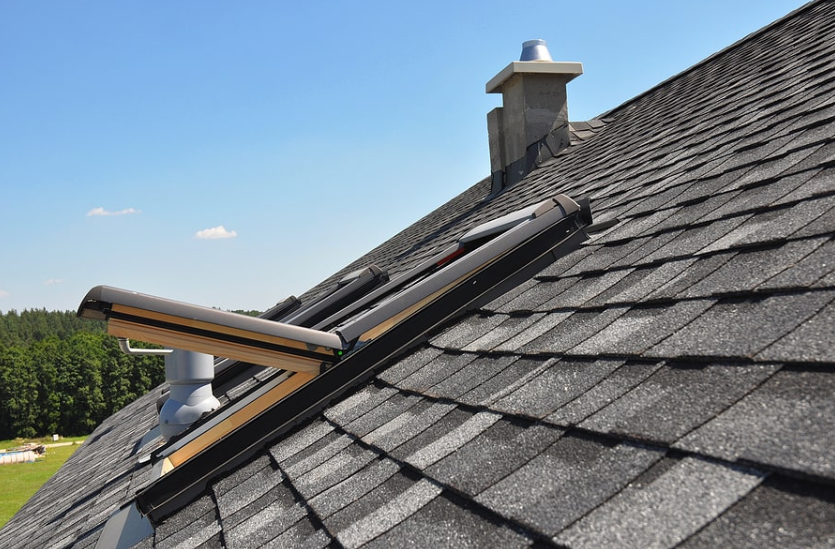
Skylights interrupt the normal flow of a roof. Water has to move around the frame, past the flashing, and down the slope without slipping underneath surrounding materials. If any part of that transition was installed poorly or has worn out over time, water can seep in during heavy rain or after snow begins to melt.
Another reason these leaks repeat is that water does not always appear directly where it enters. It can move along the roof decking or framing before staining the ceiling. That makes the source harder to identify without a close inspection.
The Most Common Failure Points Around Skylights
Flashing is one of the first things roofers check. The metal flashing around a skylight is supposed to direct water away from the opening. If it has lifted, rusted, separated, or been installed out of sequence with the shingles, water can slip beneath it.
Underlayment is another common weak spot. Even when shingles still look decent from the ground, the protective layer beneath them may be torn, brittle, or missing near the skylight opening. Once that barrier fails, moisture can reach the decking more easily.
Roofing materials around the skylight can also wear faster than the rest of the roof. Shingles near the frame may crack, curl, or lose their seal. If the skylight is in an area where debris collects, trapped moisture can accelerate deterioration.
Sometimes the skylight itself is the problem. An older unit may have a damaged seal, cracked glass, or frame issues that let water in. In those cases, patching the surrounding roof will not permanently solve the problem.
Why Caulking Alone Usually Fails
A lot of repeat leaks happen after someone tries a quick surface repair. Caulk and roof cement have their place, but they are not a full solution when the leak is tied to flashing design or failing materials.
When too much attention is paid to surface sealants, the deeper issue gets overlooked. Water can still enter under shingles, around nail penetrations, or through damaged underlayment. Once that happens, more sealant on the exterior does little to stop the moisture from following its hidden path.
That is why experienced contractors usually treat recurring skylight leaks as a system problem rather than a spot repair. The question is not just where the stain appears. The question is how water is moving through the roof assembly.
How the Problem Is Diagnosed Properly
A good inspection starts both outside and inside the home. Indoors, a roofer looks for staining patterns, soft drywall, damp insulation, and signs that moisture has been present for a while. In the attic, they may check the roof decking for dark spots, mold, or warping.
Outside, the inspection focuses on the skylight frame, flashing, shingles, the condition of underlayment when visible, and drainage around the opening. The roofer also looks at the roof pitch and the overall age of the surrounding roof. A skylight can be sound on its own, but still leak because the roof around it is wearing out.
Condensation also has to be ruled out. In some homes, excess indoor moisture collects on the inside of a skylight, mimicking a roof leak. That does happen, but repeated ceiling stains or water showing up after storms usually point to exterior intrusion rather than indoor humidity alone.
See also: How Can You Choose Dubai’s Finest Dental Implants?
What a Real Repair Usually Involves
When a leak keeps recurring, the fix often requires opening the roof around the skylight rather than patching the visible edge. That may mean removing shingles, exposing the flashing, inspecting the decking, and replacing any damaged materials beneath.
If the flashing is the issue, it needs to be rebuilt correctly so each piece overlaps in a way that sheds water naturally. If the underlayment has failed, it should be replaced as part of the repair. If shingles near the skylight are worn or brittle, they may need to be replaced to create a sound transition back into the rest of the roof.
In some cases, the best answer is replacing the skylight itself. That is more likely when the unit is older or when the frame and seals have started to fail. A new skylight, installed with proper flashing and matching surrounding roof materials, can break the cycle of repeat repairs that never quite hold.
Homeowners looking into roofing services ogden often find that the lasting fix is more involved than they expected, but that extra work is what prevents the same leak from returning with the next storm.
When Repair Makes Sense and When Replacement Does Not
Not every leaking skylight means the whole roof has to be replaced. If the rest of the roof is in good condition and the trouble is limited to the skylight area, a focused repair may be enough. But if the surrounding roof is aging, brittle, or showing moisture problems in multiple places, a larger repair or replacement may make more sense.
The key is being honest about the condition of the full assembly. Replacing flashing around a skylight on a failing roof may only buy a little time. On the other hand, tearing out more than necessary is not the right answer either. The best contractors explain the trade-offs clearly and show why they recommend one path over another.
The Bottom Line
Repeated water intrusion around a skylight usually means the original cause was never fully corrected. Surface fixes may hide the problem for a short time, but recurring leaks almost always point to trouble with flashing, underlayment, surrounding roofing materials, or the skylight unit itself. A careful inspection and a proper repair plan are what stop the cycle for good.