Ficus Bonsai Tree for Sale Online vs. Local Nursery: Which Should You Choose

If you’ve made up your mind to buy a ficus bonsai, the next decision is often the one that shapes your entire experience: should you buy from an online bonsai retailer or from a local nursery? This choice affects far more than convenience. It influences the selection you have access to, the price you’ll pay for a well-developed specimen, and the risk of ending up with a stressed, damaged, or unhealthy tree.
This blog breaks down the real tradeoffs between buying a ficus bonsai online and buying one in person, so you can choose the approach that best matches your budget, your experience level, and how much risk you’re comfortable taking on.
The Case for Buying a Ficus Bonsai Online
A Much Wider Selection
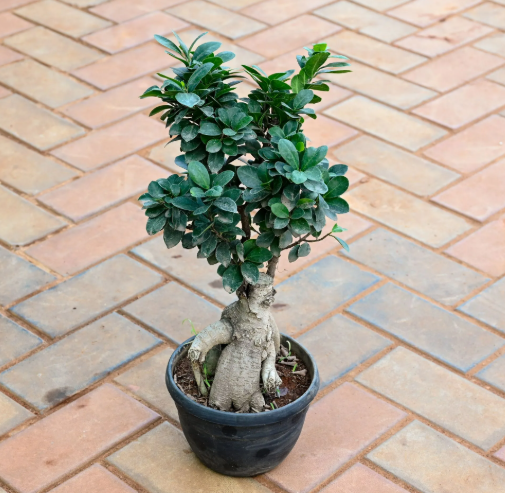
One of the biggest advantages of shopping for a ficus bonsai tree for sale online is access to variety. Specialty online bonsai retailers typically stock a far broader range of ages, trunk sizes, and species variations than a typical local garden center, which usually carries only one or two common ficus types. If you’re looking for something beyond the basic starter tree, online shopping opens the door to more advanced and unusual specimens.
Better Pricing on Developed Specimens
Online sellers aren’t limited to local foot traffic. Because they serve a national or even international customer base, they can move more inventory and often price mature, well-trained trees more competitively than a small local shop that only occasionally turns over premium stock. If you’re after a bonsai with real age and character, online pricing can work in your favor.
Unmatched Convenience
Not everyone lives near a dedicated bonsai nursery. For buyers in areas without specialty growers, finding a ficus bonsai tree for sale online may be the only realistic way to get a well-trained tree instead of settling for whatever a general garden center happens to have on the shelf that week.
The Case for Buying a Ficus Bonsai Locally
You Can Physically Inspect the Tree
This is, without question, the single biggest reason to buy locally. You can check leaf color, examine the base of the trunk for taper and root flare, smell the soil for early signs of root rot, and generally judge the tree’s overall health before you spend a single rupee or dollar. No photo, no matter how good, replaces a hands-on inspection.
Zero Shipping Risk
Ficus bonsai trees are surprisingly sensitive to temperature swings and rough handling in transit. Buying locally removes shipping from the equation entirely, along with the risks that come with it: leaf drop, snapped branches, or cold and heat stress from time spent in a delivery truck or warehouse.
Real-Time Answers From People Who Know the Tree
A knowledgeable local nursery owner or bonsai specialist can tell you the exact age of the tree in front of you, its training history, and any quirks in its care, details a generic online listing simply can’t provide.
Easier Support After the Sale
If something goes wrong after you bring your tree home, a relationship with a local nursery usually makes it easier to walk in, ask questions, and get hands-on advice, compared to navigating a return process or waiting on email replies from an online seller.
Side-by-Side Comparison
| Factor | Buying Online | Buying Locally |
| Selection variety | Typically wider | Often limited to common varieties |
| Ability to inspect before buying | No, photos only | Yes, in person |
| Shipping or damage risk | Present, varies by seller | None |
| Pricing on developed trees | Often more competitive | Often higher for premium stock |
| Post-purchase support | Depends on seller’s policy | Often more personal and immediate |
| Convenience without a local option | High | Low or none |
Smart Questions to Ask Before You Buy
If you’re buying online:
- Are the listing photos of the actual tree you’d receive, or generic stock images?
- What protective packaging is used, and are there seasonal restrictions on shipping during extreme heat or cold?
- What’s the seller’s policy if the tree arrives with significant damage or leaf loss?
If you’re buying locally:
- Can you tell me the age and training history of this specific tree?
- What soil mix is it currently growing in, and will it need repotting soon?
- Do you offer any follow-up support if I have care questions after I take it home?
A Simple Decision Framework
Use this quick mental checklist to narrow down your choice:
- Is there a reputable specialty bonsai nursery near you? If yes, and you value inspecting the tree in person, buying locally is usually the safer first step.
- Do you prioritize a wider selection over convenience? If your local options are limited to basic garden-center stock, an online specialty retailer is worth considering.
- Are you comfortable with shipping risk? If not, local buying eliminates that concern entirely. If you are, a reputable online seller with clear photos and a fair damage policy can be a solid choice.
- No local specialty nursery available at all? In that case, browsing a ficus bonsai tree for sale from a well-reviewed online retailer becomes the practical default.
Getting the Health Check Right, Wherever You Buy
Regardless of where you ultimately buy your tree, proper ficus bonsai care research should guide your final decision as much as price or convenience. Before you commit, it helps to compare a seller’s claims about species, age, or care needs against established horticultural guidance rather than taking a listing description at face value. Cross-checking basic care requirements, ideal soil composition, and realistic growth expectations for true ficus varieties can help you spot red flags early, whether you’re standing in front of the tree at a nursery or scrolling through an online catalog. Buyers who take a few minutes to verify this kind of ficus bonsai care research before purchasing tend to end up with healthier trees and fewer post-purchase surprises, no matter which buying method they choose.
See also: Why Apparel Businesses Need Smart Clothing Production Strategies
Final Thoughts
There’s no universally “correct” answer to the online-versus-local debate, only the answer that fits your circumstances. If a trustworthy specialty nursery is within driving distance and being able to inspect the tree matters to you, buying locally is generally the lower-risk path, especially for first-time buyers. If selection, pricing on mature specimens, or simple access is your priority, a reputable ficus bonsai tree for sale listing from an online retailer with clear photos and a fair return policy is a perfectly reasonable way to bring home a healthy ficus bonsai.
Whichever route you choose, asking the right questions upfront and doing a little homework on proper ficus bonsai care will do more for the long-term health of your tree than the purchase method itself.