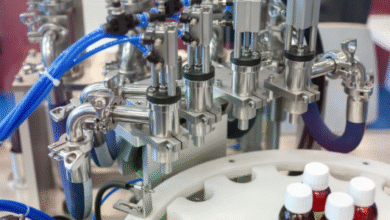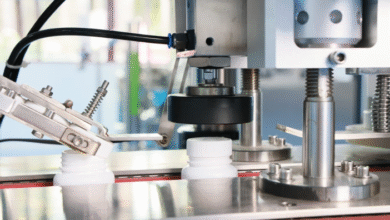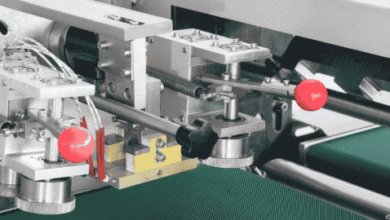

Capping is one of the last steps in a production line, but it’s also one of the most common bottlenecks when it’s still done by hand. An automatic capping machine removes that bottleneck by applying caps consistently, quickly, and at a torque level that stays the same bottle after bottle, something manual capping simply can’t guarantee at scale.
This guide walks manufacturers, packaging engineers, and procurement teams through how automatic capping machines actually work, the different types available, and what to evaluate before buying one, so you end up with equipment that matches your production line rather than one that becomes the new bottleneck.
What an Automatic Capping Machine Actually Does
An automatic capping machine picks up caps, places them onto containers, and applies them at a controlled, repeatable torque or pressure, all without an operator physically twisting or pressing each cap by hand. Beyond the basic pick-and-place function, most machines also handle cap sorting and orientation, ensuring caps are fed onto the line in the correct position every time, and many integrate directly with upstream filling equipment and downstream labeling or packaging stations to keep the entire line moving without manual intervention.
See also: Building a Life Rooted in the Land
Core Components of an Automatic Capping Machine
A complete capping system is built from several coordinated parts, not just the capping head itself.
The cap feeder sorts and orients loose caps, typically using a vibratory bowl or centrifugal feeder, and delivers them to the capping head in a consistent, ready-to-apply position.
The capping head is the mechanism that actually places and tightens the cap, using spinning discs, chucks, or magnetic heads depending on the cap type and container material.
The conveyor and container handling system moves containers through the machine at a controlled speed, often paired with a container-detection sensor to ensure the capping head only engages when a container is properly in place.
The torque control system regulates how tightly each cap is applied, which is critical for both product integrity and consumer safety, especially for products like pharmaceuticals or chemicals where an improperly sealed cap can create real risk.
The control panel and software let operators adjust settings, monitor line speed, and in more advanced machines, log data for quality assurance and traceability purposes.
Types of Automatic Capping Machines
Chuck Cappers
Chuck cappers use spinning chucks that grip the cap from above and screw it onto the container. They’re versatile and work well with a wide range of cap sizes and shapes, making them a common choice for facilities that run multiple product lines through the same equipment.
Spindle Cappers
Spindle cappers use a series of spinning discs or belts positioned along the sides of the cap to apply consistent rotational force as containers pass through. They’re well suited to high-speed lines and are commonly used in beverage and food production where consistent throughput matters more than handling a wide variety of cap types.
Snap Cappers
Snap cappers apply caps using downward pressure rather than rotation, ideal for caps that snap or press into place rather than screw on. These are common in cosmetics, personal care, and certain food packaging applications.
ROPP (Roll-On Pilfer-Proof) Cappers
ROPP cappers form the cap’s threads directly onto the container during the capping process itself, commonly used for spirits, wine, and other products where tamper-evidence is a regulatory or brand requirement.
Comparing Automatic Capping Machine Types
| Machine Type | Cap Style | Typical Speed | Best Fit |
| Chuck capper | Screw-on, various sizes | Moderate | Multi-product lines, varied cap sizes |
| Spindle capper | Screw-on, standard sizes | High | Beverage, food, high-volume lines |
| Snap capper | Press-on/snap caps | Moderate-High | Cosmetics, personal care |
| ROPP capper | Roll-on tamper-evident | Moderate | Spirits, wine, tamper-evident products |
Key Specifications to Check Before Buying
Throughput speed, usually measured in containers or caps per minute, should be matched to your actual production line speed rather than the machine’s theoretical maximum, since real-world speed is often lower once container handling and changeover time are factored in.
Cap size and container compatibility need to be confirmed directly against your specific product range, including whether the machine can handle multiple cap diameters without extensive retooling.
Torque accuracy and repeatability matter enormously for product categories with regulatory requirements, since inconsistent torque can lead to leaking, tampering vulnerabilities, or failed quality audits.
Changeover time between different product runs affects real-world productivity as much as raw speed does, particularly for facilities running multiple SKUs through the same line.
Integration capability with existing filling, labeling, and conveyor equipment determines how smoothly the capping machine will fit into your broader production line rather than becoming an isolated station that creates new handoff delays.
Build quality and material should match your production environment, with stainless steel construction generally required for food, beverage, and pharmaceutical applications due to sanitation and corrosion-resistance requirements.
Sizing an Automatic Capping Machine to Your Production Line
Sizing mistakes are one of the most common reasons a new capping machine underdelivers on expected efficiency gains. The right approach starts with your actual required output, not an aspirational future volume. Begin by calculating your target containers-per-minute based on real demand and existing bottleneck points elsewhere on the line. From there, confirm the machine’s rated speed accounts for realistic conditions, including cap variability and container handling, rather than a lab-tested maximum that assumes perfect conditions. Finally, build in some capacity headroom for future growth, since undersizing a capping machine often means replacing it again within a few years as production scales.
How the Machine Fits Into the Broader Line
It helps to picture the capping machine as one link in a longer production chain rather than a standalone unit. Containers typically arrive from a filling station already holding product, move through the conveyor and container handling system, and are detected by sensors that trigger the capping head at the right moment. The cap feeder continuously supplies properly oriented caps to the capping head, which applies them at a controlled torque before the container moves on to labeling, packaging, or palletizing. A slowdown or malfunction at any point in this chain, not just at the capping head itself, can bring the entire line to a halt, which is why integration and reliability matter just as much as raw capping speed.
Why Independent Testing and Certification Matter
Because equipment manufacturers naturally emphasize their own machines’ best-case performance figures, it’s worth grounding your evaluation in independent packaging equipment testing rather than relying solely on a vendor’s own claims. Independent packaging equipment testing verifies actual throughput under realistic production conditions, torque consistency across long runs, and long-term reliability, which often tells a very different story than a manufacturer’s headline speed rating. Checking a shortlisted automatic capping machine against independent packaging equipment testing data, or requesting a live demonstration under conditions similar to your own production line, is one of the most reliable ways to avoid a costly mismatch between promised and actual performance after installation.
Final Thoughts
Choosing the right automatic capping machine comes down to matching machine type, throughput, and build quality to your specific production line rather than choosing based on price or a single speed number. Chuck, spindle, snap, and ROPP cappers each serve different cap styles and industries, and getting torque control, changeover time, and integration right will determine whether the machine actually removes your capping bottleneck or simply creates a new one elsewhere on the line. Taking the time to size the equipment correctly and verify performance claims independently will pay off in fewer production interruptions and a more reliable, longer-lasting investment.