
Introduction
In today’s highly competitive industrial environment, manufacturers are constantly searching for solutions that improve efficiency, reduce operational costs, and maintain consistent product quality. One of the most impactful innovations supporting these goals is the automatic weighing filling machine. Designed to deliver precise measurement and automated filling, this equipment has become an essential part of modern production lines across food, chemical, pharmaceutical, agricultural, and packaging industries.
A weighing filling machine ensures that every product unit meets exact weight specifications, eliminating human error and minimizing material waste. As businesses scale production, the demand for accuracy, speed, and reliability increases and this is where advanced filling technology becomes a strategic advantage.
This article explores the structure, benefits, applications, and cost-effectiveness of modern weighing-based filling systems, helping manufacturers understand why this equipment is a long-term investment for sustainable growth.
What is a Weighing Filling Machine?
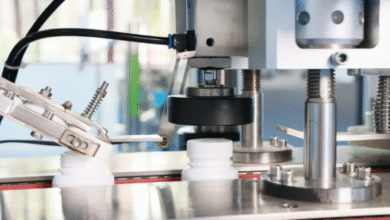
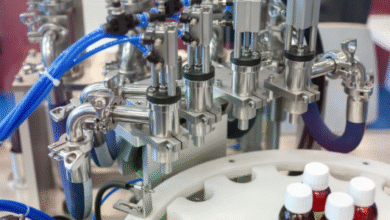
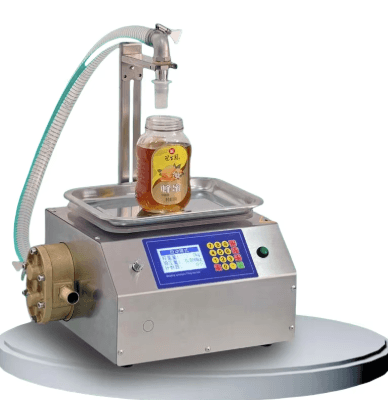
A weighing filling machine is an automated system designed to fill products into containers based on precise weight measurements. Unlike volumetric fillers that rely on volume estimation, weighing systems use high-precision load cells to measure the exact amount of product being dispensed.
This ensures consistent accuracy regardless of product density variations, temperature changes, or environmental conditions.
Modern systems typically include:
- Load cell weighing sensors
- Automatic feeding system
- Filling nozzle or valve mechanism
- Digital control panel (PLC system)
- Conveyor integration for continuous operation
The result is a highly efficient, stable, and accurate filling process suitable for both free-flowing and semi-viscous materials.
Importance of Weighing Filling Machine in Modern Manufacturing
Modern production lines require precision at scale. Even minor inconsistencies in product weight can lead to financial losses, regulatory issues, or brand reputation damage. The weighing filling machine solves these challenges by providing:
- High accuracy filling for every unit
- Reduced product wastage
- Improved production speed
- Lower labor dependency
- Enhanced compliance with industry standards
For industries dealing with bulk packaging or high-volume production, these advantages directly translate into improved profitability.
How a Weighing Filling Machine Works
The working principle of a weighing filling machine is based on real-time weight measurement and automated control.
See also: Case Packer Technology for Precision Packaging Systems
Step-by-Step Process:
- Product Feeding
Raw material is fed into a holding hopper. - Weight Detection
Load cells continuously monitor the weight of the product being dispensed. - Automatic Filling Control
The system adjusts flow speed to reach the target weight precisely. - Cut-Off Mechanism
Once the desired weight is achieved, the system automatically stops filling. - Container Discharge
Filled containers are moved to sealing or packaging units via conveyor systems.
This closed-loop feedback system ensures accuracy even at high production speeds.
Key Features of a Modern Weighing Filling Machine
Modern industrial machines are equipped with advanced features that enhance productivity and usability:
- High-precision digital load cells
- Touchscreen PLC control system
- Adjustable filling speed settings
- Multi-product compatibility
- Anti-drip nozzle design
- Stainless steel hygienic construction
- Easy integration with packaging lines
These features make the machine suitable for industries with strict hygiene and accuracy requirements.
Advantages of Using a Weighing Filling Machine
1. Superior Accuracy
The biggest advantage is precision. The system ensures every package contains the exact weight, minimizing product variation.
2. Cost Efficiency
By reducing overfilling and material waste, manufacturers save significantly on raw materials over time.
3. Increased Productivity
Automation enables continuous operation with minimal downtime, increasing output capacity.
4. Labor Reduction
Fewer manual operations are needed, reducing dependency on skilled labor.
5. Versatility
The machine can handle powders, granules, liquids, and semi-solid materials depending on configuration.
6. Compliance & Quality Control
Industries such as food and pharmaceuticals benefit from consistent regulatory compliance.
Applications of Weighing Filling Machine
The weighing filling machine is widely used across various industries due to its adaptability:
Food Industry
Used for filling rice, flour, sugar, spices, coffee, and snacks.
Pharmaceutical Industry
Ensures precise filling of powders, tablets, and medicinal granules.
Chemical Industry
Handles detergents, powders, fertilizers, and industrial chemicals.
Agriculture Sector
Used for seeds, grains, and agrochemical products.
Construction Materials
Suitable for cement, sand blends, and dry mix products.
Each application requires different configurations, but the core weighing principle remains the same.
Types of Weighing Filling Machines
1. Semi-Automatic Machines
Require partial manual input but offer good accuracy for small-scale production.
2. Fully Automatic Machines
Designed for large-scale production lines with minimal human intervention.
3. Multi-Head Filling Machines
Used for high-speed operations where multiple containers are filled simultaneously.
4. Auger-Based Weighing Fillers
Ideal for powder-based products requiring precise dosing.
Why Weighing Filling Machine is Cost-Effective
A key reason manufacturers invest in a automatic weighing filling machine is its long-term cost efficiency.
Reduced Product Loss
Precise filling eliminates overuse of raw materials.
Lower Operational Costs
Automation reduces labor expenses and human error.
Faster ROI
Increased productivity ensures quicker return on investment.
Energy Efficiency
Modern machines are designed to consume less power while maintaining performance.
Minimal Maintenance Costs
Durable components and smart diagnostics reduce repair frequency.
Over time, these factors significantly reduce the total cost of ownership.
Maintenance and Operational Tips
To ensure long-term performance, proper maintenance is essential:
- Regular calibration of load cells
- Cleaning of filling nozzles and hoppers
- Lubrication of moving parts
- Software updates for PLC systems
- Routine inspection of sensors and conveyors
Preventive maintenance not only extends machine life but also ensures consistent accuracy.
Choosing the Right Weighing Filling Machine
Before investing, manufacturers should consider:
- Production capacity requirements
- Product type (powder, liquid, granular)
- Level of automation needed
- Accuracy tolerance levels
- Space availability in production facility
- After-sales support and spare parts availability
Selecting the right configuration ensures maximum efficiency and long-term value.
Future Trends in Weighing Filling Technology
The industry is rapidly evolving with new technologies such as:
- AI-based weight optimization systems
- IoT-enabled remote monitoring
- Smart predictive maintenance
- Fully integrated Industry 4.0 production lines
- Enhanced energy-saving mechanisms
These innovations will further improve speed, accuracy, and operational intelligence in manufacturing systems.
Conclusion
The weighing filling machine has become an indispensable tool in modern manufacturing environments where accuracy, speed, and cost efficiency are critical. By combining automation with precision weighing technology, it ensures consistent product quality while significantly reducing operational costs.
Whether used in food processing, pharmaceuticals, chemicals, or agriculture, this machine delivers long-term value through improved productivity and minimized waste. As industries continue to evolve, investing in advanced weighing filling systems is no longer optionalit is a strategic necessity for competitive manufacturing.
FAQs
1. What is a weighing filling machine used for?
It is used to fill products into containers based on exact weight measurements, ensuring accuracy and consistency.
2. Is a weighing filling machine suitable for all products?
Yes, it can be configured for powders, liquids, granules, and semi-solid materials.
3. How accurate is a weighing filling machine?
Modern systems offer very high precision, often with minimal deviation depending on calibration and product type.
4. What industries benefit most from this machine?
Food, pharmaceutical, chemical, agriculture, and construction industries benefit the most.
5. Is it cost-effective for small businesses?
Yes, semi-automatic models make it affordable for small and medium-scale manufacturers.
6. How often does it require maintenance?
Regular preventive maintenance is recommended, but modern machines are designed for low maintenance needs.