
Introduction
Modern commercial buildings rely heavily on high-speed, stable, and secure data transmission systems. From corporate offices and shopping malls to hospitals and data-driven enterprises, connectivity infrastructure has become the backbone of operational efficiency. In this evolving digital environment, indoor armored fiber optic cable solutions are playing a critical role in ensuring reliable communication networks that can withstand physical stress, environmental challenges, and long-term usage demands.
In this article, we explore how indoor armored fiber optic cables are used in commercial buildings, their benefits, installation considerations, and why they are becoming a preferred choice for high-performance networking infrastructure.
What Is Indoor Armored Fiber Optic Cable?
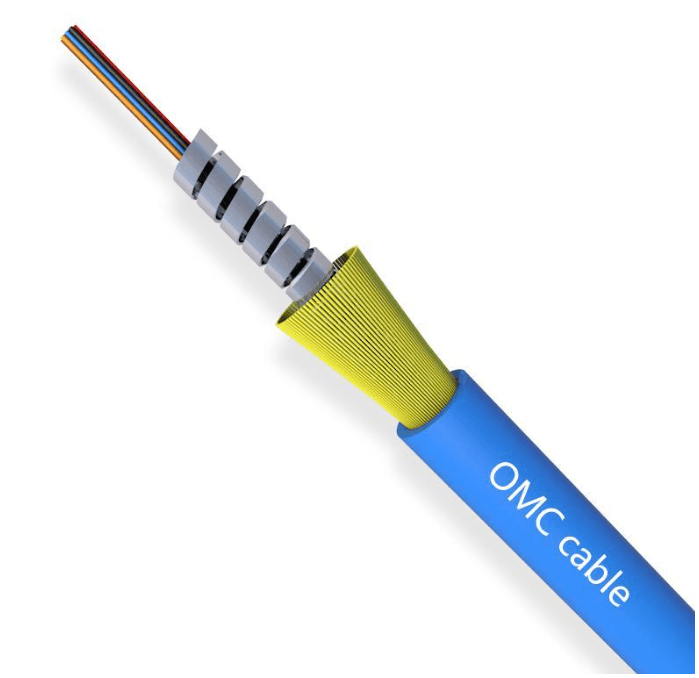
An armored fiber optic cable is a specialized type of fiber cable that includes a protective metallic or dielectric armor layer between the outer jacket and the inner optical fibers. This armor layer provides mechanical strength, making the cable resistant to physical damage, rodent attacks, and harsh installation conditions.
When we refer to indoor armored fiber optic cable, we are specifically talking about cables designed for indoor environments such as offices, data centers, residential complexes, and commercial high-rises. These cables combine flexibility with durability, ensuring that high-speed optical signals are transmitted efficiently even in challenging indoor layouts.
The construction typically includes:
- Optical fiber core (single-mode or multi-mode)
- Buffer coating for signal protection
- Strength members for tensile stability
- Armored layer (steel tape or corrugated steel)
- Outer protective jacket (LSZH or PVC)
This layered design ensures both performance and safety, making it ideal for mission-critical communication systems.
Key Features of Indoor Armored Fiber Optic Cable
Indoor armored fiber optic cables offer several advanced features that make them suitable for commercial infrastructure:
1. High Mechanical Strength
The armored layer protects the fiber from crushing forces and accidental impacts during installation or maintenance work in tight building spaces.
2. Enhanced Bend Resistance
Even in complex cable routing environments, these cables maintain signal integrity without significant attenuation due to bending.
3. Fire Safety Compliance
Most indoor variants use low-smoke, zero-halogen (LSZH) jackets, which reduce toxic emissions during fire incidents in commercial buildings.
4. Rodent and Pest Protection
The metallic armor layer acts as a barrier against rodents, which is particularly useful in basement cabling or utility shafts.
5. High Bandwidth Performance
Despite added protection, these cables maintain excellent optical performance, supporting high-speed data transmission up to multiple gigabits or terabits depending on system design.
Applications of Indoor Armored Fiber Optic Cable in Commercial Buildings
Commercial buildings require reliable and scalable communication systems. The use of indoor armored fiber optic cable applications in commercial buildings is rapidly increasing due to growing digital demands.
1. Office Buildings and Corporate Networks
Modern office environments depend on seamless internet connectivity, VoIP systems, cloud computing, and internal data sharing. Armored fiber cables ensure uninterrupted communication between floors, departments, and server rooms.
2. Data Centers
Data centers are the backbone of digital infrastructure. Indoor armored cables provide high-density, high-speed interconnections between servers, storage systems, and networking equipment while ensuring protection against physical stress and cable congestion.
3. Hospitals and Healthcare Facilities
Medical systems require reliable real-time data transmission for imaging, diagnostics, and patient monitoring systems. Armored fiber optic cables ensure zero downtime and high reliability in critical healthcare environments.
4. Shopping Malls and Retail Complexes
Large commercial complexes require centralized security systems, POS networks, and digital signage. Armored fiber cables help maintain stable connectivity across wide building layouts.
5. Educational Institutions
Universities and schools use fiber optic networks for e-learning platforms, research systems, and administrative communication. Indoor armored cables ensure durability in high-traffic areas like corridors and labs.
6. Smart Buildings and IoT Systems
Smart building automation systems depend on continuous data flow between sensors, controllers, and management platforms. Armored fiber ensures stable connectivity in complex IoT environments.
Advantages of Using Indoor Armored Fiber Optic Cable
The adoption of armored fiber solutions in commercial infrastructure provides several long-term benefits:
Improved Network Reliability
Physical protection reduces the risk of cable damage, ensuring consistent network uptime.
Lower Maintenance Costs
Since the cables are more durable, the need for frequent repairs or replacements is significantly reduced.
Better Safety Standards
Fire-resistant jackets and non-toxic materials improve building safety compliance.
Space Efficiency
Despite their protective structure, armored cables are designed to fit into compact building pathways.
Long-Term Investment Value
Businesses benefit from reduced downtime and increased system lifespan, making it a cost-effective infrastructure investment.
Installation Considerations in Commercial Buildings
Proper installation is crucial to maximize the performance of fiber optic systems. When deploying indoor armored fiber optic cable, engineers must consider several factors:
1. Cable Routing Path
Avoid sharp bends and ensure smooth routing through conduits, trays, and risers to prevent microbending losses.
2. Load-Bearing Structures
Even though armored cables are strong, proper support systems such as cable trays should be used to prevent excessive strain.
3. Fire Safety Regulations
Ensure compliance with local building codes regarding LSZH materials and fire-rated installation pathways.
4. Connector Compatibility
Use high-quality connectors and termination techniques to maintain signal integrity.
5. Separation from Electrical Lines
To minimize electromagnetic interference (EMI), fiber cables should be routed separately from high-voltage electrical systems.
Indoor Armored vs Non-Armored Fiber Optic Cables
Understanding the difference between armored and non-armored cables helps in selecting the right solution:
- Durability: Armored cables provide significantly higher physical protection.
- Installation Environment: Non-armored cables are suitable for low-risk environments, while armored versions are ideal for high-traffic commercial areas.
- Cost: Armored cables are slightly more expensive but offer better long-term value.
- Safety: Armored variants provide better resistance against fire hazards and external damage.
In commercial building infrastructure, armored fiber cables are generally preferred due to higher reliability requirements.
Maintenance and Longevity
One of the major advantages of armored fiber optic systems is their low maintenance requirement. However, periodic inspections are still recommended:
- Check for physical damage during building renovations
- Ensure connectors remain clean and dust-free
- Monitor network performance for signal loss or attenuation
- Inspect cable trays for overloading or improper routing
With proper care, armored fiber optic installations can last for decades while maintaining optimal performance.
Future Trends in Indoor Fiber Optic Infrastructure
As commercial buildings become smarter and more connected, fiber optic technology continues to evolve. Future trends include:
Higher Bandwidth Demand
With 5G, AI systems, and cloud computing, bandwidth requirements will continue to grow, making high-capacity fiber networks essential.
Integration with Smart Building Systems
Fiber networks will increasingly support IoT-based automation systems in lighting, HVAC, and security.
Compact and Flexible Armored Designs
Manufacturers are developing lighter and more flexible armored cables for easier installation in dense building environments.
Enhanced Fire and Safety Standards
Future indoor cables will likely feature improved fire resistance and eco-friendly materials.
See also: Uses of vial labeling machine in Food Beverage Pharma Industry
Conclusion
The growing demand for high-speed, secure, and reliable communication systems in commercial buildings has made fiber optic infrastructure a necessity rather than an option. Among available solutions, indoor armored fiber optic cable stands out as a robust and future-ready choice that ensures long-term performance, safety, and durability.
From office networks to mission-critical data centers, its applications are vast and increasingly essential in modern architecture. As technology continues to advance, armored fiber optic systems will remain a core component of intelligent, connected commercial environments.
FAQs:
1. What is an indoor armored fiber optic cable used for?
It is used for secure and high-speed data transmission in indoor commercial environments such as offices, hospitals, data centers, and shopping malls.
2. Why is armored fiber optic cable better for commercial buildings?
It offers higher durability, protection against physical damage, and improved reliability in high-traffic installation areas.
3. Can indoor armored fiber optic cable be used in data centers?
Yes, it is widely used in data centers due to its high strength, stability, and excellent signal performance.
4. Is armored fiber optic cable fire-resistant?
Most indoor armored cables use LSZH jackets, which reduce toxic smoke and improve fire safety compliance.
5. What is the difference between armored and non-armored fiber cable?
Armored cables include a protective metallic layer for mechanical strength, while non-armored cables are lighter and less protected.
6. How long does indoor armored fiber optic cable last?
With proper installation and maintenance, it can last 20–30 years or more in commercial environments.