
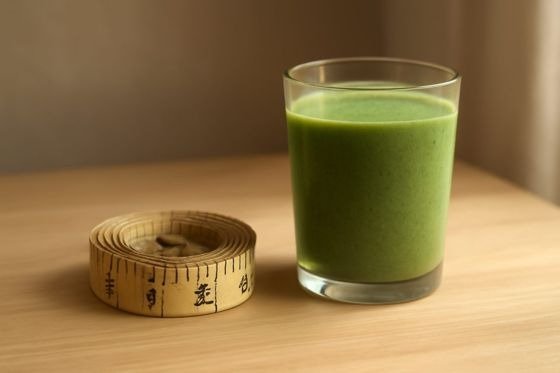

GLP-1 and GIP are two gut hormones released after you eat. GLP-1, short for glucagon-like peptide-1, tells the body to release insulin, slows stomach emptying, and lowers appetite. GIP does related work but acts through a separate receptor, and its effect on hunger and fat handling is less clear-cut. The weight-loss drugs people talk about are copies of one hormone, the other, or both at once, and that difference shapes results, side effects, and price.
What is GLP-1 and why does it matter?
When food reaches the small intestine, cells there release GLP-1. It nudges the pancreas to release insulin only when blood sugar is high, slows how fast the stomach empties, and signals fullness to the brain. Natural GLP-1 breaks down within minutes, which is why the drugs are engineered to resist that breakdown and last for days. A review of these mechanisms describes how receptor agonists reproduce the appetite and glucose effects of the natural hormone while lasting far longer than the body’s own version.
That combination, less hunger plus steadier blood sugar, is the core of why these medications work for weight and for type 2 diabetes. The 2025 clinical practice guideline update on obesity pharmacotherapy places GLP-1 receptor agonists among the most effective options now available, a marked shift from where the field sat a decade ago.
What does GIP add to the picture?
GIP, glucose-dependent insulinotropic polypeptide, is the other major incretin hormone. Like GLP-1, it raises insulin after a meal. On its own, GIP has a mixed reputation in obesity research, and scientists spent years debating whether blocking it or activating it would help. The surprising answer from drug development was that pairing GIP activity with GLP-1 activity in a single molecule produced stronger metabolic effects than GLP-1 alone.
The early clinical work on the first dual GIP and GLP-1 receptor agonist traced this molecule from discovery through proof of concept in type 2 diabetes, and it set off the current wave of dual-agonist development. The mechanism is still being worked out, but the practical takeaway is that two receptors engaged together can do more than one.
How do single and dual mechanisms compare?
| Feature | GLP-1 receptor agonist | Dual GIP and GLP-1 receptor agonist |
|---|---|---|
| Receptors targeted | GLP-1 only | GLP-1 and GIP |
| Appetite effect | Reduced hunger, slower gastric emptying | Similar, often reported as stronger on average |
| Common side effects | Nausea, constipation, diarrhea | Similar gastrointestinal profile |
| Form | Weekly injection, now an oral option | Weekly injection |
| Evidence base | Established across multiple trials | Growing, with large single-drug trials |
One caution about reading tables like this: the numbers behind each column come from separate trials with different participants and endpoints. They are not a head-to-head, and treating one drug’s average result as directly better than another’s often overstates what the data support.
Are these drugs pills or injections?
For years the answer was injections, given weekly. That changed with orforglipron, an oral small-molecule GLP-1 receptor agonist. Its first-in-human and phase trials, including a study of daily oral orforglipron in adults with obesity, showed meaningful weight reduction from a pill rather than a shot. A later phase trial confirmed the effect, and orforglipron received FDA approval in 2026 for weight management under the brand FOUNDAYO. The approval record notes it as the first oral drug of its class cleared for this use.
A pill matters for reasons beyond convenience. It removes the cold-chain storage and injection barrier that keeps some people from starting, and small molecules are generally cheaper to manufacture than peptides, which could eventually affect price. Whether that translates into lower costs for patients depends on how it is sold, not on chemistry alone.
Do these drugs do more than lower weight?
Yes, and this is part of why guideline bodies have taken them seriously. Obesity itself is being redefined as a clinical condition rather than a number on a scale, and a 2025 statement on the definition and diagnostic criteria of clinical obesity argues for judging it by organ and tissue effects, not body mass index alone. That framing fits drugs that improve blood sugar, blood pressure, and liver health alongside weight.
On the liver specifically, the EASL, EASD, and EASO joint guidelines on metabolic dysfunction-associated steatotic liver disease discuss incretin-based therapy as part of managing that increasingly common condition. The American Gastroenterological Association guideline on drug treatment for obesity in adults reaches similar conclusions about where these agents fit in care. The point is that the hormone behind the drug is doing systemic work, not just appetite suppression.
Where do compounded versions fit, and what do they cost?
Branded GLP-1 and dual-agonist drugs carry list prices above a thousand dollars a month, and coverage for weight management is inconsistent. That gap is why compounded versions became common. Compounded semaglutide and tirzepatide are prepared by compounding pharmacies and are not FDA-approved products. They may contain the same active molecule, but they have not been through the approval process that produced the trial evidence for the brands, which is a genuine difference rather than a formality.
For people paying cash, the practical comparison is usually between manufacturer self-pay programs, branded oral options as they become available, and supervised compounded routes. Telehealth practices such as Ro, Hims and Hers, Henry Meds, and FormBlends publish flat monthly pricing for compounded therapy with prescribing handled by a licensed clinician, and readers weighing that path against a branded product can learn more here before deciding. The trade being made is regulatory assurance for a predictable monthly price, and it belongs in a conversation with a prescriber who knows the case.
Key takeaways
- GLP-1 and GIP are gut hormones; the new drugs copy one or both to curb appetite and steady blood sugar.
- Dual GIP and GLP-1 agents show large average results in their own trials, but cross-trial comparisons overstate differences.
- Orforglipron, an oral GLP-1 drug, was FDA-approved in 2026, breaking the injection-only pattern.
- Compounded versions are not FDA-approved products, and the choice between routes is best made with a prescriber.
See also: Soil Preparation Tips for Camden Lawn Projects
Frequently asked questions
What is GLP-1?
GLP-1, or glucagon-like peptide-1, is a gut hormone released after eating that prompts insulin release, slows stomach emptying, and reduces appetite. The newer weight-loss drugs copy its action by binding the same receptor.
How is GIP different from GLP-1?
GIP, or glucose-dependent insulinotropic polypeptide, is another gut hormone that also boosts insulin after meals. Its role in appetite and fat handling is less settled than that of GLP-1, but activating both receptors together appears to add effect beyond GLP-1 alone.
Is a dual GIP and GLP-1 drug always better than a single-hormone one?
Not automatically for a given person. Dual receptor agents have shown large average weight reductions in their own trials, but response varies, and the right choice depends on tolerance, other conditions, and access rather than the mechanism label alone.
Are pill versions of these drugs available?
Orforglipron, an oral small-molecule GLP-1 receptor agonist, received FDA approval in 2026 for weight management. Most of the widely used agents remain weekly injections.
Is compounded GLP-1 medication the same as the branded product?
No. Compounded versions are prepared by compounding pharmacies and are not FDA-approved products. They may use the same active molecule but have not gone through the approval process behind the published trial evidence.