
Introduction
In today’s highly competitive manufacturing and logistics environment, packaging efficiency has become a critical factor in operational success. Businesses across food processing, beverages, pharmaceuticals, cosmetics, household products, and e-commerce industries are continuously seeking ways to improve packaging speed, accuracy, and consistency. This growing demand has accelerated the adoption of advanced case packer solutions that automate secondary packaging processes while reducing labor costs and minimizing product damage.
Modern automated case packing systems are designed to handle a wide variety of products with exceptional precision. Whether packaging bottles, cartons, pouches, cans, or containers, these systems ensure consistent placement, improved throughput, and enhanced product protection throughout the supply chain.
What Is a Case Packer?
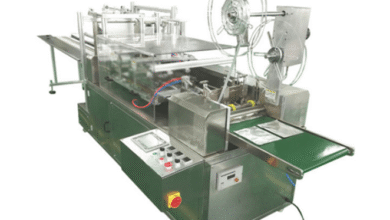
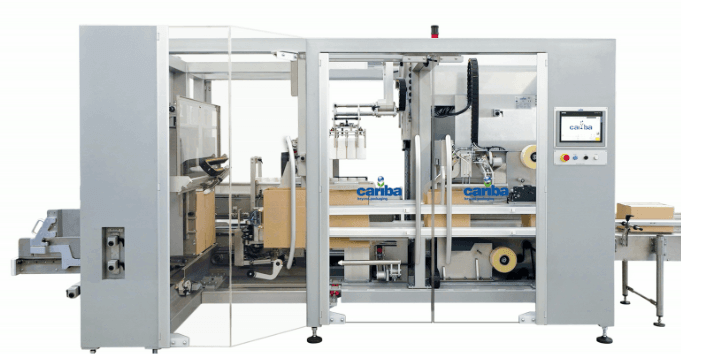
A case packer is an automated packaging machine designed to load products into corrugated cases, cartons, trays, or shipping containers. These machines eliminate manual packing operations and provide a faster, more efficient, and highly accurate packaging process.
Modern case packers utilize advanced robotics, servo-driven controls, machine vision systems, and programmable automation to achieve precise product handling. Depending on production requirements, they can perform various packing configurations, including:
- Top-load packing
- Side-load packing
- Wraparound case packing
- Robotic case packing
- Pick-and-place applications
- Tray packing solutions
The flexibility of modern systems allows manufacturers to package multiple product formats with minimal changeover time.
Why Automated Case Packer Systems Matter
Automation has transformed packaging operations across virtually every industry. Traditional manual packing methods often create bottlenecks, increase labor expenses, and introduce inconsistencies that affect product quality.
Automated case packing technology addresses these challenges by providing:
Increased Production Speed
High-speed systems can process hundreds of products per minute while maintaining consistent accuracy. This allows manufacturers to meet growing market demand without expanding labor requirements.
Improved Product Protection
Precise product placement reduces shifting, crushing, and transportation-related damage. Consistent packing patterns ensure optimal load stability throughout distribution.
Reduced Operational Costs
By minimizing manual labor and reducing packaging errors, companies can significantly lower operational expenses while improving overall productivity.
Enhanced Workplace Safety
Automation decreases repetitive manual handling tasks, helping reduce workplace injuries and improving employee safety.
Consistent Packaging Quality
Automated systems deliver repeatable results that meet strict quality control standards, ensuring every case is packed according to specification.
See also: Technical Compilation of 6102262009, 6102736172, 6104263036, 6104403050, 6104403078, 6104865709
Key Components of Modern Case Packer Technology
Today’s precision packaging systems integrate multiple technologies to optimize performance and efficiency.
Robotic Handling Systems
Industrial robots play a vital role in modern case packing operations. Equipped with advanced end-of-arm tooling, robotic systems can handle delicate, irregular, or high-speed products with remarkable accuracy.
Benefits include:
- Flexible product handling
- Quick format changeovers
- Reduced product damage
- High-speed operation
- Improved packaging consistency
Vision Inspection Technology
Machine vision systems verify product orientation, count accuracy, and packaging integrity before products enter the case.
These systems help manufacturers:
- Detect defects
- Ensure proper alignment
- Verify product presence
- Improve quality assurance
Servo Motion Control
Servo-driven technology provides precise control over product movement, case positioning, and loading sequences. This level of accuracy enhances efficiency while reducing mechanical wear.
Smart Control Interfaces
Modern human-machine interfaces (HMIs) simplify operation by providing real-time monitoring, diagnostics, and performance analytics. Operators can quickly adjust settings, track production metrics, and troubleshoot issues.
Types of Automated Case Packers
Selecting the right case packing system depends on product characteristics, production speed, and packaging requirements.
Top-Load Case Packers
Top-load systems place products vertically into open cases from above. These machines are ideal for:
- Bottles
- Jars
- Containers
- Flexible packages
They offer excellent versatility and are commonly used in food and beverage production.
Side-Load Case Packers
Side-load machines push products horizontally into cases. This design is often preferred for:
- Cartons
- Boxes
- Multipacks
- Consumer goods
Side-load systems are known for their speed and efficient footprint utilization.
Wraparound Case Packers
These systems form corrugated blanks directly around grouped products. The result is a secure package that uses less material while maintaining structural integrity.
Advantages include:
- Reduced packaging costs
- Improved sustainability
- Compact package design
- Enhanced product protection
Robotic Case Packers
Robotic systems provide unmatched flexibility for facilities handling multiple product sizes and packaging formats. Their adaptability makes them ideal for dynamic manufacturing environments.
Industries Benefiting from Precision Case Packing
Automated case packing technology serves a wide range of industries that require reliable secondary packaging solutions.
Food and Beverage Industry
Food manufacturers rely on automated systems to package products efficiently while maintaining hygiene standards. Applications include:
- Bottled beverages
- Dairy products
- Frozen foods
- Snack products
- Bakery items
Pharmaceutical Manufacturing
The pharmaceutical sector demands exceptional accuracy and compliance. Automated case packers support traceability, consistency, and quality assurance requirements.
Personal Care and Cosmetics
Cosmetic manufacturers use precision packaging systems to protect high-value products and maintain premium presentation standards.
Household Consumer Goods
Cleaning products, detergents, and home care items benefit from automated packaging processes that improve efficiency and reduce handling costs.
E-Commerce Fulfillment
As online shopping continues to expand, fulfillment centers increasingly utilize advanced packaging automation to meet high-volume order demands.
The Role of Industry 4.0 in Case Packing
Industry 4.0 technologies are reshaping packaging operations through connectivity, automation, and data-driven decision-making.
Modern case packer systems increasingly incorporate:
Real-Time Data Monitoring
Connected systems provide live production metrics that help identify bottlenecks and optimize performance.
Predictive Maintenance
Sensors continuously monitor machine components, allowing maintenance teams to address issues before failures occur.
Remote Diagnostics
Manufacturers can access machine performance data remotely, reducing downtime and accelerating troubleshooting.
Artificial Intelligence Integration
AI-powered analytics improve process optimization, quality control, and production forecasting.
Sustainability and Packaging Efficiency
Environmental responsibility has become a major focus for manufacturers worldwide. Advanced case packing solutions contribute to sustainability initiatives through:
- Reduced material waste
- Lower energy consumption
- Optimized case dimensions
- Improved transportation efficiency
- Reduced product damage
By maximizing packaging precision, companies can minimize excess packaging materials while maintaining product protection throughout distribution.
Choosing the Right Case Packer for Your Facility
Investing in packaging automation requires careful evaluation of operational requirements.
Important factors to consider include:
Product Characteristics
Analyze product size, shape, weight, fragility, and packaging configuration requirements.
Production Capacity
Select equipment capable of meeting current production demands while supporting future growth.
Flexibility Requirements
Facilities producing multiple product formats should prioritize systems with rapid changeover capabilities.
Integration Compatibility
Ensure the equipment can integrate seamlessly with upstream and downstream production processes.
Maintenance and Support
Reliable technical support, spare parts availability, and preventive maintenance programs are essential for long-term performance.
Future Trends in Automated Case Packing
Packaging automation continues to evolve rapidly as manufacturers seek greater efficiency and operational intelligence.
Emerging trends include:
- Collaborative robotics
- AI-driven quality control
- Autonomous production optimization
- Advanced vision systems
- Sustainable packaging integration
- Digital twin technology
- Cloud-based performance monitoring
These innovations will further improve packaging accuracy, efficiency, and operational visibility while supporting increasingly complex manufacturing requirements.
Conclusion
Automated case packer technology has become an essential component of modern precision packaging systems. By combining robotics, intelligent controls, machine vision, and advanced automation, these solutions deliver exceptional speed, accuracy, and reliability across a wide range of industries.
As manufacturing environments continue to evolve, companies that invest in advanced case packing technology gain significant advantages in productivity, cost reduction, product protection, and scalability. From food processing and pharmaceuticals to consumer goods and e-commerce fulfillment, automated case packing systems provide the operational efficiency necessary to compete in today’s demanding marketplace.
Organizations seeking long-term growth and packaging excellence should view automated case packing not simply as an equipment upgrade but as a strategic investment in future operational success.
Frequently Asked Questions (FAQs)
What is a case packer used for?
A case packer automatically loads products into cases, cartons, trays, or shipping containers, improving packaging speed, accuracy, and efficiency.
What industries commonly use automated case packers?
Food and beverage, pharmaceuticals, cosmetics, household products, and e-commerce fulfillment industries frequently utilize automated case packing systems.
What are the main types of case packers?
The primary types include top-load case packers, side-load case packers, wraparound case packers, and robotic case packers.
How does a robotic case packer improve packaging operations?
Robotic systems provide flexible product handling, rapid changeovers, reduced product damage, and improved packaging consistency.
Can case packers support sustainable packaging initiatives?
Yes. Modern systems reduce material waste, optimize package dimensions, improve transportation efficiency, and support environmentally responsible packaging strategies.
What factors should be considered when selecting a case packer?
Key considerations include product characteristics, production speed, flexibility requirements, integration compatibility, maintenance support, and future scalability needs.
How does Industry 4.0 benefit automated case packing?
Industry 4.0 enables real-time monitoring, predictive maintenance, remote diagnostics, and data-driven optimization that improve overall equipment effectiveness and productivity.